- 234 Balaclava Road, Caulfield North VIC 3161
- contactus@guests.com.au
- (03) 9509 7033
New Bunnings scam warning
ASIC have recently issued the new scam warning regarding Bunnings and issuing of investment bonds.

.
The scam targets people through fake websites and direct spam emails, posing as a responsible entity or brokers, including Bunnings hyperlinks and branding. However, Bunnings does not offer bonds or any other investment products. Legitimate bonds are traded through licensed financial institutions, not retailers.
This highlights the points to remember to avoid falling victim to scams like this one. The three key steps: stop, check and protect:
- Stop and think before acting.
- Check if the investment is legitimate and if the person or entity offering it is licensed or authorised to do so.
- Protect yourself by acting quickly if something feels wrong: contact your bank to stop any transactions and report any suspicious activity to Scamwatch.
To report a scam or find more information about scams, visit the National Anti-Scam Centre’s Scamwatch website at www.scamwatch.gov.au.
Acctweb
$20,000 instant asset write-off
This is a great scheme for small businesses and runs until the 30 June 2025.

.
Under this measure small businesses with an aggregated turnover of less than $10 million, can deduct the following. NB: The second element referred to below generally refers to amounts a small business has paid after the asset was acquired to bring it to its present condition and includes improvements and upgrades to assets. It is best to discuss timing and clarification of any possible ‘second element’ spending and claims with your accountant first.
- the full cost of eligible depreciating assets costing less than $20,000 that are first used or installed ready for use between 1 July 2024 and 30 June 2025
- it only relates to Plant, Equipment and Vehicles. It does NOT relate to Capital improvements to buildings
- the items can be new or second hand. You can have paid cash or they can be financed
- the entity must operate a business during the 2025 income year.
- choosing to apply the simplified depreciation rules for the 2025 income year is necessary
- an amount included in the second element (cost addition) of eligible depreciating asset's cost that they have incurred between 1 July 2024 and 30 June 2025, if they claimed an immediate deduction for the asset under the simplified depreciation rules in a prior income year where the amount is:
- the first amount of second element cost incurred after the end of the income year in which the asset was written off; and
- less than $20,000.
The $20,000 limit under the measures applies on a per asset basis, so small businesses can instantly write off multiple assets.
Assets valued at $20,000 or more can continue to be placed into the small business simplified depreciation pool and depreciated at 15% in the first income year and 30% each income year after that. In addition, pool balances under $20,000 at the end of 2024-25 income year can be written off.
More information:
Why Might a Lease Dispute Occur?
A lease dispute can arise for various reasons during the lease term and even after it ends.

.
The most common issues include:
- late payments;
- failure to meet property return conditions;
- disagreements over market rent reviews; and
- unresolved repair obligations by either the landlord or tenant.
To avoid potential conflicts, it is essential to regularly review your lease agreement and ensure compliance with all outlined obligations. This article explores the key causes of lease disputes, their potential impact, and practical strategies for prevention and resolution.
Default on Lease Payments
A common breach of a lease agreement occurs when a tenant defaults on payments, including rent, outgoings, or other associated costs. In such cases, it is crucial to consult the lease for details on any default period. Determine whether the landlord must notify you to remedy the breach and if any interest could accrue due to the breach.
Repair and Maintenance Obligations
A tenant’s failure to meet repair obligations can also give rise to a lease dispute. This may happen for various reasons. For example, if damage to the premises results from your use or if damage has occurred previously but has not been addressed within a reasonable timeframe. Additionally, if the repair details are not clearly outlined in the lease, it can lead to confusion about which items each party is responsible for repairing. If you are ever uncertain about which items you or the landlord are responsible for, promptly bring this to their attention and inquire. Make sure to notify the landlord of any damage if required by the lease.
To avoid breaching the lease and triggering a dispute, keep the premises clean and tidy. Ensure that all services are maintained and serviced correctly to prevent them from falling into disrepair due to neglect. This includes the following:
- air conditioning;
- heating;
- water; and
- electrical items
The lease will specify which items you are obliged to repair, so refer to the lease when doing any repairs to the premises.
This obligation does not solely rest on you as the tenant. Landlords may also be required to repair the premises when they fall into disrepair. This is especially true for capital or structural repairs that were not caused by your actions. In such cases, depending on the lease, you may need to inform the landlord of any damage you are aware of. By doing so, the landlord can address the damage in line with their obligations.
Rent Reviews
Another disputable item within leasing can arise when a rent review occurs, and the parties dispute the amount of rent payable. This commonly occurs in relation to market rent reviews, where a new rental figure is determined for the premises based on the marketable value of the surrounding properties.
Where there is a dispute regarding the rental value, there may be a clause in the lease that governs the process of determining the market value of the premises. It may require the parties to engage with a third-party independent valuer to determine the new rental figure.
If you disagree with the landlord’s proposed rental figure, you should consult a professional to advise you of your obligations moving forward.
Make Good Requirements
Disputes may also arise between a tenant and landlord when the lease outlines the obligations expected of the tenant at the end of the lease. This includes the condition in which the property should be returned.
When the lease concludes, this may require you to:
- return the premises to the landlord in the same condition as they were received;
- remove any fit-outs or fittings; or
- take your personal property.
A dispute may develop between the parties if the tenant has not fulfilled a specific make-good condition. It may also arise if the parties reach another agreement outside what the lease stipulates.
When a dispute occurs, you should consult the lease to understand your obligations regarding it. If you wish to avoid any potential disputes arising from this situation, checking the lease for the requirements before commencing any make-good works is advisable.
Key Takeaways
Lease disputes often stem from payment defaults, rent reviews, repair obligations, or make-good requirements. To avoid conflicts, tenants and landlords should regularly review lease terms, communicate clearly, and seek legal advice when needed. Understanding and adhering to lease obligations can help prevent disputes and ensure a smooth tenancy.
Frequently Asked Questions
Who is responsible for repairs and maintenance under a lease?
Responsibility for repairs depends on the lease terms. Tenants are usually required to maintain the premises and repair damages caused by their use. Landlords are typically responsible for structural or capital repairs unless stated otherwise in the lease.
What happens if there is a dispute over rent reviews?
If a market rent review leads to disagreement, the lease may require an independent valuer to determine a fair rental price. Consulting a professional for guidance can help ensure a fair resolution.
The Most Held Currencies in the World | 1850-2024
Check out the most powerful Currencies in the World | 1850-2024
.
.
.
.
.
.
.
.
.
.
.
.
.
.

Vacant Residential Land Tax
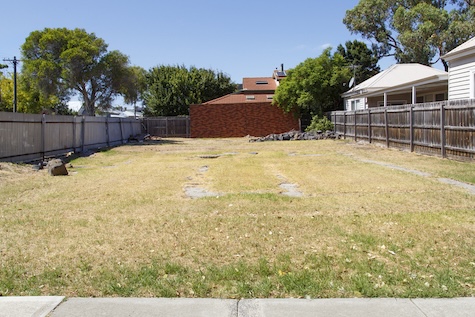
Commencing 1 January 2025, vacant residential land tax (VRLT) applies to all Victorian homes unoccupied for more than 6 months in a calendar year, unless an exemption applies
.
That includes homes under construction, and those that are under renovation or uninhabitable, for more than 2 years, but does not apply to unimproved land, commercial residential premises, or residential care facilities.
If you pay land tax, it will determine if you are liable for VRLT in 2025. If the tax is payable, you must notify the State Revenue office by 15 January 2025 (or as soon as practicable afterward), via the online notification portal.
Some unoccupied homes may be exempt, such as holiday homes, a property that changed hands; and property that was re-zoned in the prior calendar year.
Even if you believe you are exempt, you still need to notify of vacant tax and then apply for an exemption via the online notification portal.
The rate of tax is based on 1% of capital improved value for the first year, increasing 1% each year.
AcctWeb
All the documents, fact sheets and downloads to do with this year’s 2025-26 Federal Budget

.
Budget Documents
Budget documents | Budget 2025–26
Federal Budget 2025-26 – Papers and Fact Sheets
Portfolio Budget Statements 2025–26 Budget Related Paper
Budget Initiatives and Explanations of Appropriations Specified by Outcomes and Programs by Entity.
Portfolio Budget Statements 2025–26 Budget Related Paper | Department of Social Services
Fact sheets – Federal Budget 2025
Accessible Australia
This Budget provides funding to work in partnership with states and territories to increase accessibility in community spaces across Australia for people with disability.
Accessible Australia | Department of Social Services
Strengthening the National Disability Insurance Scheme
This Budget provides a total of $175.4 million over 4 years from 2025–26 to further safeguard the integrity of the National Disability Insurance Scheme (NDIS) and support people with disability.
Strengthening the National Disability Insurance Scheme | Department of Social Services
Reform of the Information, Linkages and Capacity Building Program
This Budget provides a total of $364.5 million over 5 years from 2024–25 to reform the Information, Linkages and Capacity Building (ILC) program. A further $150 million has been committed annually from 2029–30 to provide the supports on an ongoing basis.
Reform of the Information, Linkages and Capacity Building Program | Department of Social Services
Building Australia’s future and Budget Priorities
Building Australia's future and Budget Priorities

Cost-of-living
- New tax cuts for every Australian taxpayer
- More energy bill relief
- Growing wages
- Cutting the cost of medicines
- Cutting student debt
- A better deal for consumers
- Making it cheaper and easier to see a doctor
- Investing in Medicare Urgent Care Clinics, hospitals and health workforce
- Better healthcare for women
- Expanding access to high‑quality early education
- Investing in schools
- Permanent Free TAFE
- Investing in universities, students and graduates
- A more dynamic and productive economy
- Supporting small businesses
- Building a Future Made in Australia
- Thriving cities, suburbs and regions
- Investing in infrastructure
- Progressing equality, supporting women
- Investing in First Nations communities
- Supporting the wellbeing of all Australians
Budget.gov.au
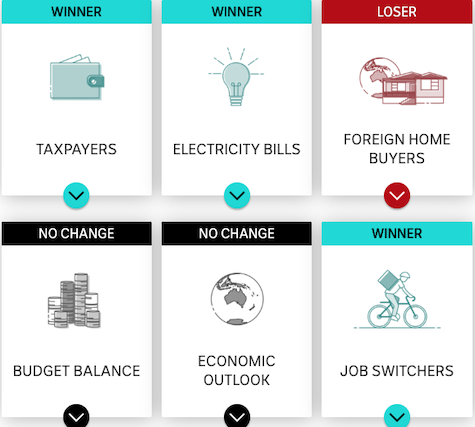
Winners and Losers – Federal Budget 2025-26
Treasurer Jim Chalmers has handed down his fourth federal budget, laying the groundwork for a federal election campaign that could be called within days.
.
Treasurer Jim Chalmers has handed down his fourth federal budget, laying the groundwork for a federal election campaign that could be called within days.
Click on the image to read about the Winners and Losers.
What does the proposed changes to HELP loans could mean?
If you are one of the millions of Australian with Higher Education Loan Program (HELP) debt, the proposed changes may offer some benefit.
.
The most significant changes is a one-off 20% reduction in all HELP debts. This reduction would be automatically applied by the ATO before the annual indexation on 1 June 2025. For example, if you have a HELP balance of $27,600, you could expect a reduction of approximately $5,520 in your debt.
In addition, the minimum income threshold for making compulsory HELP repayments is proposed to increase from $54,435 to $67,000.
Another crucial change will be the indexation rate will be the lower of either the consumer price index (CPI) or the wage price index (WPI). This adjustment will be backdated on all existing HELP, VET student loans, and other similar accounts from 1 June 2023.
AcctWeb
What does the proposed changes to HELP loans mean?
If you are one of the millions of Australians with Higher Education Loan Program (HELP) debt, the proposed changes may offer some benefit.
.
The most significant changes is a one-off 20% reduction in all HELP debts. This reduction would be automatically applied by the ATO before the annual indexation on 1 June 2025. For example, if you have a HELP balance of $27,600, you could expect a reduction of approximately $5,520 in your debt.
In addition, the minimum income threshold for making compulsory HELP repayments is proposed to increase from $54,435 to $67,000.
Another crucial change will be the indexation rate will be the lower of either the consumer price index (CPI) or the wage price index (WPI). This adjustment will be backdated on all existing HELP, VET student loans, and other similar accounts from 1 June 2023.
AcctWeb
Latest Industry News

How Do I Write Legally Compliant Terms and Conditions for My Business?
Terms and conditions bind your customers only where they actively accept them, so a tick box at checkout holds...

Paid parental leave super contributions have started
From July 2026, the new Paid Parental Leave Superannuation Contribution (PPLSC) has started. From...

If the business is no longer profitable, and is unlikely to be profitable in the future, your best option may...
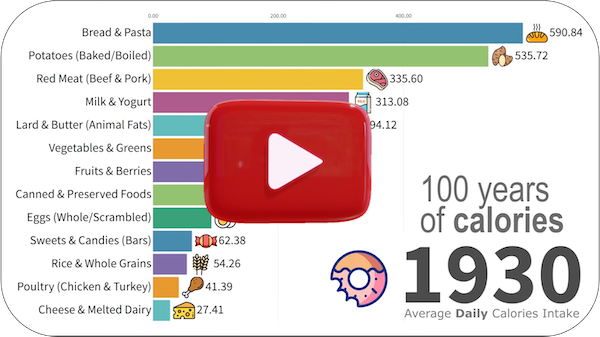
Check out the this visualization, which tracks the evolution of dietary calorie intake from 1930 to...
Taxpayer given 35% penalty for BAS recklessness
Following an application for a refund of nearly $94,000, the Administrative Review Tribunal has set aside an...

SMEs warned as ATO ramps up tax debt collection
One insolvency specialist has emphasised the importance of small businesses engaging their accountants to stay...

Does Your Small Business Need to Follow AML Privacy Rules?
Compliance with new anti-money laundering (AML) laws may subject your small business to additional privacy...

Don’t get caught out at tax time with your multiples jobs
Picking up a second job, holding multiple part-time roles, or doing gig work is now part of everyday life. But...

Global companies turn to cost-cutting amid ongoing inflation
Rising operating costs and persistent inflation are placing renewed pressure on businesses worldwide, despite...

Warning for early lodger this tax time!
The ATO has a clear message this year: slow down and get it right. Early lodgers are far more likely to make...

ATO no longer treating debt the same as during COVID
One expert has stressed the importance of tax agents reminding their clients that the ATO is no longer as...

The evolution of the world’s languages
Check out the evolution of the world's most spoken languages from 2500 BC to...
Latest Guests News

Newsletter Newslettter We are pleased to supply you with the latest edition of Client Alert, which...