Freshwater Resources by Country 2025

Check out the largest freshwater resources by Country in the World

.

.

.

.

.

.

.

.

.

.

.

.

.

.

.

How secure is your super account?


The past few years have seen significant data breaches from well-known Australian companies both inside and outside of the superannuation sector, exposing a huge amount of consumer personal identity information. 



The cyber-attacks on superannuation funds reportedly used a technique called “credential stuffing” where cybercriminals used personal information stolen in previous data breaches (like email addresses and passwords) to attempt to access member accounts.

In the wake of recent cyber-attacks on several large Australian super funds, you might be wondering if there are more step to protect your retirement savings.

Here are some practical steps you can take to help keep your super safe:

  • Keep track of your super account: The best defence is regular monitoring. Check your balance periodically, verify employer contributions are coming through, review your insurance cover, examine your annual statement, and ensure your contact details are current.
  • Upgrade your passwords to passphrases: Never reuse passwords across different accounts. Instead, create a passphrase, which is a sentence or mix of four or more words that's easy for you to remember but difficult for others to guess. Include a combination of upper and lowercase letters, symbols and numbers, and aim for at least 14 characters.
  • Enable Multi-Factor Authentication (MFA): MFA adds an extra layer of protection by requiring two or more verification methods to access your account. This typically combines something you know (password/PIN), something you have (mobile device/security token), or something you are (fingerprint/facial recognition). Check if your super fund offers MFA and enable it if available.
  • Protect your devices: Secure all devices you use to access your super account. Use strong passwords or passcodes, set up biometrics where possible, enable auto-lock when not in use, and activate “find your device” services so you can lock or wipe your device if it's stolen.
  • Be wary of unsolicited communications: Take your time to verify the identity of anyone contacting you unexpectedly. Don't click links in suspicious emails or texts. Contact your fund directly using the official contact details from their website.
  • Report suspicious activity: Alert your super fund immediately if something doesn’t seem right with your account or if you receive suspicious communications.


AcctWeb

Upskilling and self-education costs


The expenses need to have a sufficient connection to your current employment income in order to make a claim.



You may be incurring self-education expenses when you:

  • take courses at an educational institution (even if you don’t gain a formal qualification);
  • undertake training provided by an industry or professional organisation;
  • attend work-related conferences or seminars; or
  • do self-paced learning and study tours in Australia or overseas.

However, the expenses need to have a sufficient connection to your current employment income in order to make a claim. This means either maintain or improve the specific skills or knowledge you use, or be likely to result in increased income in your current role.

If you meet the eligibility criteria you may be able to claim a deduction for:

  • tuition, course or seminar fees incurred in enrolling in a full fee paying place;
  • general course expenses (eg stationery, internet usage);
  • depreciation on assets like laptops;
  • transport costs between home or work and your place of study;
  • accommodation and meals when your course requires you be away from home for one or more nights; or
  • interest on loans where you use the funds to pay for deductible self-education expenses.

Keep in mind that sometimes only certain subjects or components of your study are sufficiently connected to your work – in these cases, you'll need to apportion your expenses.


AcctWeb


Buy a business

What you need to know about the risks and benefits of buying an existing business or franchise.

.

Assess a business before you buy it

Before you commit to buying an existing business, ensure it's a worthwhile investment by checking its finances and assessing the risks. Read more …


Buy an existing business

How to buy an existing business, including everything you need to prepare before you sign the contract and warning signs to watch out for. Read more …


Buy a franchise

Find out the pros and cons of buying a franchise, what to do before signing a franchise agreement, what questions to ask before you buy. Read more …

Depreciation expert urges property investors to leverage tax depreciation

Seventy per cent of people are not maximising the tax depreciation opportunities on their investment properties, a depreciation expert has said. 

.

Property investors and first home buyers need to engage a quantity surveyor to take advantage of possible tax depreciation opportunities every financial year.

According to Brad Beer, BMT Tax Depreciation chief executive, after 28 years of working within the depreciation space, there were still up to 70 per cent of property investors not maximising tax depreciation and a depreciation schedule.

Speaking on an Under the Hood podcast episode, Beer recommended that more people work in line with their accountants at looking at what money could be made back through a quantity surveyor and the knowledge they offer.

“If you buy a property that is appreciating in value, but the carpet is wearing out, the bricks and mortar are wearing out, the stove is wearing out, those things are depreciating,” Beer said.

“The Tax Office allows us to claim a deduction for the loss in value of those things. Why is it important? Because it means more money in your pocket.”

“The first year claim out of the reports we did last year was about $11,000, that was the average. Some get more; some get less. That’s a residential average, and that’s a fair bit of deduction out of a residential investment. So, it makes a big difference to the cash flow and people that maybe are struggling to afford that property.”

Beer noted that a common misconception for property investors was that they often thought that depreciation would be looked after by their accountant, rather than a quantity surveyor. Usually, an accountant acted as a middleman between the ATO and the quantity surveyor.

According to Beer, if wanting to maximise depreciation claims from a property for tax purposes, engaging a quantity surveyor was crucial as they can provide accurate and reliable information, as well as documenting it in a way that could be easily referred back to and updated.

“The most common misconception I see is that people often ask me: ‘Well, doesn’t my accountant look after that?’ Or they say: ‘I’ve got a good accountant, what’s wrong with my accountant?’,” he said.

“Nothing is wrong with your accountant. Your accountant is probably great, and if they really are good, they will engage a depreciation specialist for the areas you need to get the most out of your tax.”

“If you haven’t yet, they definitely speak to a quantity surveyor, or your accountant, about getting one in. Talk to them and see if there’s money there you could be claiming. Any good quantity surveyor will be able to tell you exactly what depreciation opportunities you have.”

In addition to this, another misconception often associated with the depreciation of properties was around the age of the property or the timeline of the purchase and/or investment.

Beer noted that when it came to investment properties, age did make a difference; however, it didn’t matter or impact the opportunity of what could be potentially claimed.

“I look at the time I have spent in this industry, and I spend a lot of time with property investors and accountants and people in the property industry.”

“We help them save some tax. We’ve had the opportunity to teach them over that time, to really teach the property industry what it’s all about and what it means for the numbers. I’ve seen a lot of people get money back after they never realised it was there and they’re always happy with that.”


Imogen Wilson
29 April 2025
accountantsdaily.com.au


SME confidence and conditions see uptick over Q1 2025, survey reveals

Small business conditions and confidence notably improved throughout Q1 of this year, but remain in negative territory.

.

The NAB Quarterly SME Survey for Q1 2025 has revealed an uptick in small business confidence and conditions, with a rise in the business conditions sub-components, trading profitability and employment.

Throughout Q1 2025, small business conditions rose by 3 points to -1 index pts, with the strongest improvement highlighted in small SMEs, up 5pts to +1 index pts, followed by mid-tier SMEs, up 4pts to -3 index pts.

Despite the rise across the business conditions sub-components, profitability and employment conditions have remained in negative territory, and SME conditions have also remained overall weaker and in negative territory, NAB revealed.

“This was a stronger survey reading than for larger firms captured in the NAB Quarterly Business Survey, which saw conditions ease slightly over the quarter,” NAB said.

“However, conditions and confidence remain weaker than the quarterly survey in level terms and in negative territory.”

SME conditions by industry saw improvement across all industries, excluding business services and finance, as business services saw a material decline for the second quarter in a row, down 10pts over quarter one.

Finance conditions declined by 3pts, though conditions overall still remained strongest in finance and transport, and weakest in manufacturing.

In terms of business confidence, the survey demonstrated a 4pt improvement to -8 index pts, still sitting well below average.

“The improvement was driven by large increases in property and construction. However, SME confidence remains negative across all industries except property and transport.”

SME confidence across the states also remained in negative territory after experiencing upticks over the quarter, with Victoria lagging behind the other states at -15 index pts. SME conditions also improved in every state, led by WA, up 6pts, and Queensland, up 5pts, while SME conditions remained weakest in NSW and Victoria.

The survey found that leading indicators were mixed, with capacity utilisation close to the long-run average at 80.3 per cent, cost pressures eased across labour costs and overheads, and final prices were steady at 0.6 per cent, while the sales margin index improved from -20 to -17 index pts.

“Like in the quarterly survey, the share of SME firms reporting labour as a significant constraint on output eased. Labour costs growth also softened in the quarter, though purchase costs growth was marginally higher.”

NAB said while confidence and conditions did improve over the quarter, the survey was conducted before the US tariff announcements in early April. 


Imogen Wilson
30 April 2025
accountantsdaily.com.au

From 1 July 2025 ATO Interest is no longer tax deductible

On 26 March, the government passed legislation denying tax deductions for ATO interest. This change takes effect on 1 July 2025.

.

These amendments deny deductions for ATO interest charges (being the general interest charge (GIC) and the shortfall interest charge (SIC)).

This means that taxpayers can no longer deduct GIC or SIC incurred on or after 1 July 2025.


Who is affected?

Personal Tax Debts: ATO Interest on personal tax debts will no longer be deductible. Interest on externally borrowed funds to pay personal tax debts has never been deductible and won’t be in the future. To avoid non-deductible ATO interest, tax debts must be paid on time. If personal tax debts cannot be paid on time it may be best to seek out alternative funding sources with lower interest rates (ATO GIC rate for Mar 2025 quarter: 11.42%).

Business Entities (Sole Traders, Companies, Trusts): ATO interest will no longer be deductible, but interest on bank loans or overdrafts used to pay tax liabilities for businesses will remain deductible. To maintain interest deductibility, consider arranging finance to cover business tax payments if necessary.


The ATO has drastically changed its behaviour and stance in regard to timely payment of debts, debt collection and leniency with interest and penalty remissions

• Interest & Penalty Remissions are now rarely granted, except in extreme cases.

• Aggressive Debt Collection—The ATO is chasing even small debts early and debt collection actions are escalating quickly.


What You Should Do

• Pay all ATO debts on time and in full whenever possible to minimise the risk of non-deductible interest or ATO penalties being applied.

• If prompt payment in full is not possible, request an extension of time or ask us to request an extension for you.

• Plan ahead—Engage with us early to manage your tax liabilities efficiently and give you maximum notice of upcoming payments.


2025 Tax Planning Guide Part 2

From 1 July 2025: From July 1, 2025, the compulsory Super Guarantee Contribution (SGC) rate increases from 11.5 % to 12%.

.

Extra Checklist of Year End Tax Issues not included in Part 1 last month.

In addition to the tax planning opportunities, there are several obligations in relation to the end of the financial year which should be considered:

If you use a Motor Vehicle in producing your income you may need to:

  • Record Motor Vehicle Odometer readings at 30 June 2025
  • Prepare a logbook for 12 continuous weeks if your existing one is more than 5 years old. Please note, if you commence the logbook prior to June 30, 2025, the usage determined will still be appropriate for the whole of 2024/25. As such, it is not too late to start preparing one for the current financial year.


If you are in business or earn your income through a Company or Trust:

Employer Compulsory Superannuation Obligations:

The deadline for employers to pay Superannuation Guarantee Contributions (SGC) for the 2024/25 financial year is the 28 July 2025.  However, if you want to claim a tax deduction in the 2024/25 tax year the super fund (or Small Business Superannuation Clearing House) must receive contributions by 30 June 2025. Also avoid making contributions at the last minute because processing delays could deny you a significant tax deduction in this financial year.

For Private Company – Div 7A Loans

Business owners who have borrowed funds from their company in prior years must ensure that the appropriate principal and interest loan repayments are made by 30 June 2025. Loans taken out in the current year  must be either paid back in full or have a loan agreement entered into before the due date of lodgement of the company return. Failure to comply risks having it counted as an unfranked dividend in the individual’s tax return


Trustee Resolutions

Ensure that the Trustee Resolutions on how the income from the trust is distributed to the beneficiaries are prepared and signed before June 30, 2025, for all Discretionary (“Family”) Trusts. If a valid resolution hasn’t been executed by this date, the default beneficiaries become entitled to the trust’s income and are then subject to tax. Income derived but not distributed by the trust will mean the trust will be assessed at the highest marginal rate on this income.


Preparation of Stock Count Working Papers at June 30, 2025.


Preparation and reconciliation of Employee PAYG Payment

PAYG Summaries were formerly known as Group Certificates. Note you are not required to supply your employees with payment summaries for amounts you have reported and finalised through Single Touch Payroll.


Company Tax Rates for Small Businesses

The company tax rate for base rate entities with less than $50 million turnover was 25% for the 2025 financial year where it as:

  • An aggregated turnover less than the aggregated turnover threshold ($50 million)
  • 80% or less of their assessable income is base rate entity passive income – this replaces the requirement to be carrying on a business.


Business Should also Consider the Following Items

Stock Valuation Options – Review your Stock on Hand and Work in Progress listings before June 30 to ensure that it is valued at the lower of Cost or Net Realisable Value. Any stock that is carried at a value higher than you could realise on sale (after all costs associated with the sale) should be written down to that Net Realisable Value in your stock records.

Write-Off Bad Debts – if you operate on an accrual’s basis of accounting (as distinct from a cash basis) you should write off bad debts from your debtors listing before June 30. A bad debt is an amount that is owed to you but you consider is uncollectable or not economically feasible to pursue collection. Unless these debts are physically recorded as a ‘bad debt’ in your system before 30th June 2025, a deduction will not be allowable in the current financial year.

Repairs and Maintenance Costs – Where possible and cash flow allows, consider bringing these repairs forward to before June 30. If you don’t understand the distinction between a repair and a capital improvement, please consult with us because some capital improvements may not be tax deductible in the current year and could be claimable over a number of years as depreciation.

Obsolete Plant and Equipment – should be scrapped or decommissioned prior to June 30, 2025, to enable the book value to be claimed as a tax deduction.


Superannuation Tax Planning Opportunities

Compulsory Superannuation Guarantee – If you want a tax deduction in the 2024/25 financial year, the superannuation fund must receive the funds by 30 June 2025. The Tax Office doesn’t consider a contribution to be made until the amount is actually credited to a super fund’s bank account so an electronic transfer to another bank account on June 30 is not necessarily considered paid. We strongly recommend you make the payment a week or so before June 30 and then follow up with the super fund to ensure the funds have been received. Don’t risk the tax deductibility of what can often be a significant amount by leaving payment to the last minute.

Concessional Contributions Cap of $30,000 for Everyone

The tax-deductible superannuation contribution limit or cap is $30,000 for all individuals regardless of their age for the 2024/25 financial year.

If eligible and appropriate, consider making the most of your 2024/25 financial year annual concessional contributions cap with a concessional contribution. Note that other contributions such as employer Superannuation Guarantee Contributions (SGC) and salary sacrifice contributions will have already used up part of your concessional contributions cap.

Carry Forward Concessional Contributions

If your total superannuation balance as of June 30, 2024, was less than $500,000 you may be able to carry-forward unused concessional caps for up to 5 years.

Members can access their unused concessional contributions caps on a rolling basis for five years and amounts carried forward that have not been used after five years will expire.

Typically, self-employed individuals and those who earn their income primarily from passive sources like investments make their super contributions close to the end of the financial year to claim a tax deduction. However, individuals who are employees may also use this strategy and those who might want to take advantage of this opportunity.

 Non-Concessional Super Contributions

If eligible and appropriate, consider utilising all or part of your 2024/25 financial year annual non-concessional contributions cap by making a non-concessional contribution for up to $120,000 for the 2025 financial year or up to $360,000 over 3 years.

Government Co-Contribution to Your Superannuation

The Government co-contribution is designed to boost the superannuation savings of low and middle-income earners who earn at least 10% of their income from employment or running a business. If your income is within the thresholds listed below and you make a ‘non-concessional contribution’ to your superannuation, you may be eligible for a government co-contribution of up to $500.

To be eligible you must be under 71 years of age as of June 30, 2025. In 2024/25, the maximum co-contribution is available if you contribute $1,000 and earn $44,500 or less.  A lower amount may be received if you contribute less than $1,000 and/or earn between $44,500 and $60,400. If unsure then ask your tax agent for clarification.

The matching rate is 50% of your contribution and additional eligibility include: having a total superannuation balance of less than $1.9 million on 30 June of the year before the year the contributions are being made having not exceeded your non-concessional contributions cap in the relevant financial year

 Transition to Retirement

If you don’t want to fully retire and would like to reduce your working hours you can take advantage of what is known as “Transition to Retirement” TTR. This means that providing you have reached your preservation age, see below, you can elect to keep working full time or part-time and take money out of your super to supplement your income. This is popular for those who want to scale down their working hours rather than retiring.

Date of Birth                                          Preservation Age

Before 1 July 1960                                            55
1 July1960 – 30 June 1961                             56
1 July 1961 – 30 June 1962                            57
1 July 1962 – 30 June 1963                            58
1 July 1963 – 30 June 1964                            59
1 July 1964 – 30 June 1965                            60

When you are receiving a TRT pension you can still work and claim a tax deduction for concessional contributions into your super up to $30,000 for the 2025 financial year.

If you decide to implement a TTR strategy, you must withdraw a minimum amount, currently 4% for someone aged 60 (based on age) from your superannuation account balance up to a maximum of 10%.

If you are under 60 any amount you withdraw will be subject to tax at your marginal rate of tax. You will also be entitled to receive a tax rebate of 15%. After the age of 60, the good news is that any amount you withdraw is TAX FREE!

Account Based Pensions  

If you are aged 60 + and retired or 65+ and still working, there are options worth considering. There are significant tax advantages in taking an Accountants Based Pension from your super. Not only are the withdrawals you make tax- free, but also the earnings within your superannuation fund are tax-free to 1.9 million dollars

 However, you must withdraw a minimum amount each year for pensions as per the table below, there are no limits on the amount you can withdraw.

The minimum amount for ages: 

Under 65 is 4%
 65 to 74 is 5%
 75 to 79 is 6%
 80 to 84 is 7%

To put in place an accounts-based pension, you will need to speak to your superannuation fund provider.


The Largest Empires in the World’s History

Check out the Largest Empires in the World's History

.

.

.

.

.

.

.

.

.

.

.

2025 Tax Planning Guide Part 1

Planning your taxes for the year is essential

.

CONSIDER THE FOLLOWING OPPORTUNITIES

    1.    Delay Deriving Assessable Income

If it is possible, delay deriving income until after June 30, 2025 by:

a. Delaying the Timing of the generation of Income until after June 30.

b. Look at the timing of when Invoices are raised for incomplete work.

Off course, cash flow for your business is paramount but if this is not adversely affected, then consider deferring the recognition of income until after 30 June 2025.  For example:

  • Cash Basis Income – Some income is taxable on a cash receipts basis rather than on an accruals basis (e.g. rental income or interest income in certain cases). You should consider whether some income can be deferred in those instances.
  • Consider delaying your invoices to customers until after July 1 which will put that income into the next financial year and defer the tax payable on that income. If you operate on the cash basis of accounting you simply need to delay receiving the money from your customers until after June 30.
  • Lump Sum Amounts – If a lump sum payment to you is likely to be received close to the end of a financial year, you could consider the question of whether this amount (or part thereof) can be delayed or spread over future periods.

2Bringing Forward Deductible Expenses or Losses

Prepayment of Expenses – In some circumstances, a small business or individual who derive passive income (such as rental income and dividends) should consider pre-paying expenses prior to 30 June 2025.  A tax deduction can be brought forward into this financial year for expenses like:

  • Employee Superannuation Payments including the 11.5 % Superannuation Guarantee Contributions for the June 2025 quarter (that have to be received by your Superannuation Fund by June 30, 2025 to claim a tax deduction. Anything received by your Superannuation Fund after this date is not deductable in the 2024-25 financial year).
  • Working from home. You will need to have kept records of the hours you worked from home. This is used to calculate the amount you can claim.
  • Superannuation for Business Owners, Directors and Associated Persons.
  • Wages, bonuses, commissions and allowances
  • Contractor Payments
  • Travel and accommodation expenses
  • Trade creditors
  • Rent prepayment for up to 12 months
  • Insurances including Income Protection Insurance
  • Printing, Stationery and Office Supplies
  • Advertising including Directory Listings
  • Utility Expenses – Telephone, Electricity & Power
  • Motor Vehicle Expenses – Registration and Insurance
  • Accounting Fees
  • Subscriptions and Memberships to Professional Associations and Trade Journals
  • Repairs and Maintenance to Investment Properties
  • Self-Education Costs
  • Home Office Expenses – desk, chair, computers etc.
  • Donations to deductible gift recipient organisations
  • If appropriate, consider prepaying any deductible investment loan interest. This could include interest payments on an investment loan for either an investment or commercial property or an investment portfolio you hold.

If you are planning to make any deductions like those listed above, then it is advisable that you discuss your plans with your accountant before you act.  Also, such a deduction for prepaid expenses will need to be paid before 30 June 2025. Be careful, though, don’t purchase goods or services you will never use, and be aware of the effect of such spending on your cash flow.

 Superannuation Contributions – some low or middle-income earners who make personal (after-tax) contributions to a superannuation fund may be entitled to the government co-contribution. The amount of government co-contribution will depend on your income and how much you contribute. So be aware of any thresholds that relate to the Government’s co-Contribution scheme.

Capital Gains/Losses – Note that the contract date (not the settlement date) is often the key sale date for capital gains tax purposes and when it comes to the sale of an asset that triggers a capital gain or capital loss, you need to consider your overall investment strategy when making the decision to sell. Here are several important points regarding the management of capital gains and capital losses on sale of your assets from a tax planning perspective:

  1. If appropriate, consider deferring the sale of an asset with an expected capital gain (and applicable capital gains tax liability) until it has been held for 12 months or longer. By doing so, you could reduce your personal income tax. For example, if you hold an asset for under 12 months, any capital gain you make may be assessed in its entirety upon the sale of that asset.
  2. A capital gain will be assessable in the financial year that it’s crystallised.
  3. If appropriate, consider deferring the sale of an asset with an expected capital gain (and applicable capital gains tax liability) to a future financial year. By doing so, you could help reduce your personal income tax for the current financial year. This could also be of benefit if, for example, you expect that your income will be lower in future financial years compared to the current financial year.
  4. If appropriate, consider offsetting a crystallised capital gain with an existing capital loss (carried forward or otherwise) or bringing forward the sale of an asset currently sitting at a loss. By doing so, you could reduce your personal income tax in this financial year. 
  5. Note that a capital loss can only be used to offset a capital gain.

Accounts Payable (Creditors) – If you operate on an accruals basis and services have been provided to your business, ensure that you have an invoice dated June 30, 2025.


Acctweb

Latest Industry News

How Do I Write Legally Compliant Terms and Conditions for My Business?

Terms and conditions bind your customers only where they actively accept them, so a tick box at checkout holds...

Read More

Paid parental leave super contributions have started

From July 2026, the new Paid Parental Leave Superannuation Contribution (PPLSC) has started.   From...

Read More

Steps to close a business

If the business is no longer profitable, and is unlikely to be profitable in the future, your best option may...

Read More

How Our Diets have Changed.

Check out the this visualization, which tracks the evolution of dietary calorie intake from 1930 to...

Read More

Taxpayer given 35% penalty for BAS recklessness

Following an application for a refund of nearly $94,000, the Administrative Review Tribunal has set aside an...

Read More

SMEs warned as ATO ramps up tax debt collection

One insolvency specialist has emphasised the importance of small businesses engaging their accountants to stay...

Read More

Does Your Small Business Need to Follow AML Privacy Rules?

Compliance with new anti-money laundering (AML) laws may subject your small business to additional privacy...

Read More

Don’t get caught out at tax time with your multiples jobs

Picking up a second job, holding multiple part-time roles, or doing gig work is now part of everyday life. But...

Read More

Global companies turn to cost-cutting amid ongoing inflation

Rising operating costs and persistent inflation are placing renewed pressure on businesses worldwide, despite...

Read More

Warning for early lodger this tax time!

The ATO has a clear message this year: slow down and get it right. Early lodgers are far more likely to make...

Read More

ATO no longer treating debt the same as during COVID

One expert has stressed the importance of tax agents reminding their clients that the ATO is no longer as...
Read More

The evolution of the world’s languages

Check out the evolution of the world's most spoken languages from 2500 BC to...

Read More

Latest Guests News

Client – August 2026

Newsletter Newslettter We are pleased to supply you with the latest edition of Client Alert, which...


Read More

Man and woman sorting out their accounting and taxation

Accounting & Taxation Services

We believe accounting services should be straight forward and stress-free. By providing cutting edge bookkeeping, accounting, taxation and financial solutions and using the right products for your record keeping, our team at Guests Accounting will work with you to understand your needs and help you achieve your goals, making it easier for you to manage your cash flow and meet your tax obligations.

While fiscal compliance is of the upmost importance, we at Guests Accounting also believe in offering management advice and support at all levels of our services. We are committed to offering the highest level of friendly and professional service and welcome the opportunity to work with you.

The areas we specialise in are as follows:

  • Accounting & Tax Consultancy Services
  • Personal & Business Tax Returns
  • Annual Reporting
  • Business and Tax Advisory
  • ATO correspondence Management
  • Self-Managed Super
  • Cloud accounting experts

Ask Us a Question

Business discussing their accounting

Business Accounting

Concentrate on running your business and let Guests Accounting take care of all your business accounting and taxation requirements.

Some of the services we can offer your business include:

  • Accounting and bookkeeping
  • Accounting software advice and assistance
  • Business & company tax returns
  • Taxation – GST & PAYG advice, BAS preparation
  • Guests Accounting can liaise with the ATO on your behalf
  • WorkCover: your obligations
  • Audit advice & audit insurance
  • Superannuation for you and your staff
  • Business ‘start up’ advice
  • Prepare Business plans and financial budgets and review regularly
  • Measure your performance against industry benchmarks
  • Trust & company structures
  • Business Insurance

Ask Us a Question

Young professional with his own business

Personal Accounting

We offer a range of Personal Accounting services for individual employees. Our most popular Personal Accounting service is assisting with completing tax returns for individuals.

Tax returns can be complex and there are allowable tax deductions and expense claims that can be made that you may not be aware of. We can help you minimise your payable tax and potentially increase your tax return and make sure your tax return is lodged on time.

We also offer advice on:

  • Investment properties, tax and negative gearing
  • Tax & share investments
  • HELP (higher education loans) debts
  • Superannuation advice
  • Advice on setting up a self-managed super fund (SMSF)
  • Late tax returns

Ask Us a Question

Accountant with files from the bookkeeping archive room

Bookkeeping & Financial Record Management

One of the most important steps in the preparation of financial information is the data entry. It is the vital part of your accounting process, ensuring that your financial information is up to date and accurate.

Our highly experienced team of bookkeepers will get the job done efficiently by using cloud based products and software shortcuts, leaving you more time to concentrate on your business.

Guests Accounting can take over all, or some of your bookkeeping activities allowing you to concentrate on growing your business. We can:

  • Design, establish and review accounting systems and software
  • Perform checks, reconciliations and end of financial year reports
  • Manage your accounts receivable and accounts payable
  • Ensure your business is up to speed with legislative requirements and management reports
  • Undertake payroll duties and compliance
  • Prepare and lodge BAS statements
  • GST & PAYE advice
  • BAS Lodgement
  • GST Reconciliation
  • PAYG Withholding & Superannuation reports
  • Completing expense reports
  • Direct to bank account transactions
  • Organising your documents and records
  • Data / ledger entry
  • Paying bills
  • Completing expense reports
  • Direct to bank account transactions
  • Provide general business administrative support

Ask Us a Question

Business consultant presenting to staff

Business Advisory

Helping our clients grow, strengthen and develop their businesses is our main aim.  Whether small, medium or large receiving expert help in areas such as strategy development, management accounting, cost analysis and budgeting is very important to attaining a business’s short and long objectives.

Our aim is to enable you and your business to maximise potential and profitability.  We do this by providing the highest level of technical and commercial solutions to resolve issues that might impair the attainment of these outcomes.

We also have particular expertise in advising our private clients with family succession strategies that allows for the effective transfer of wealth to future generations.

Our expertise and time will help you attain your goals.

We specialise in the following:

  • Corporate Structure
  • Strategy development and facilitation
  • Strategic board and management reporting
  • Budget preparation and review
  • Updating your business plan
  • Business value maximisation
  • Systems review
  • Sustainability
  • Financial diagnostic analysis
  • Cash flow and profitability
  • Business succession planning and implementation
  • Business valuations for acquisition or sale
  • Estate planning
  • Asset protection structuring

Ask Us a Question

Startup business having a meeting

Business Start-Ups & Structures

Choosing your business structure is an important decision and we can advise you on the best structure for your requirements. There are four main business structures commonly used by small businesses in Australia and we can help with them all:

Sole trader: an individual operating as the sole person legally responsible for all aspects of the business.
Partnership: an association of people or entities running a business together, but not as a company. A partnership is relatively inexpensive to set up and operate.
Company: a legal entity separate from its shareholders.
Trust: an entity that holds property or income for the benefit of others. Trusts require a formal trust deed that outlines how the trust operates, require the trustee to undertake formal yearly administrative tasks and if you operate your business as a trust, the trustee is legally responsible for its operations. A trustee of a trust can be a company, providing some asset protection.

It is important to note that you can change your business structure throughout the life of your business.

We can help with the following:

  • Corporate Structures
  • Updating your business plan
  • Business value maximisation
  • Systems review
  • Sustainability
  • Strategic planning
  • Financial diagnostic analysis
  • Cash flow and profitability
  • Corporate compliance
    • Formation of trusts and new company registrations
    • Provision of registered office services for service of notices
    • Attending to ASIC returns and regular filings on your behalf
    • Business name registrations and maintenance
    • Preparing minutes and drafting resolutions

Ask Us a Question

Cloud Accounting solutions featuring MYOB, Reckon and XERO

Cloud Accounting

Cloud accounting is essentially your accounting software stored and accessed from an online server which allows upgrading of software, tax tables for payroll, also data backups are managed remotely and automatically by the software provider.  This is a great time saver for any small to medium business owner.

Our solutions will help your business take advantage of an eco-system where your accounting software is the centre of all your information. From manufacturing, inventory, to customer relationship management (CRM), rostering/timesheets to payroll, you will be in control of every aspect of your business represented by a thorough reporting system.

Please do not hesitate to contact us for an obligation free consultation session on business software solutions. Our well-trained staff will provide you with the best solution that suits your needs and budget. With customised solutions, discounted software subscription, hands-on and personal training, we are committed to deliver you a quality of service that will meet and exceed your expectations.

Ask Us a Question

Woman auditing the books with a magnifying glass

Auditing

There are many reasons why a business or association may need to be audited. These include audits regulated by ASIC, government departments and licensing authorities.

You may wish for your business to be audited to ensure your financials are all correct, up to date and compliant with Australian accounting standards.

We offer ongoing support for annual audits and can discuss audit insurance for your business.

Self-managed super funds (SMSFs) are required to be audited annually.

Our business auditing services include:

  • Statutory Audits
  • Specialist Reviews
  • Business Risk Reviews
  • Self Managed Superannuation Fund Audits
  • Due Diligence reviews

Ask Us a Question

Australian dollars in back pocket

Payroll Management

Whether you’re just starting out, experiencing rapid growth or sustaining a mature company we have the solutions for your payroll needs.  We know that accrual and recording of annual and sick leave is a headache most employers can do without.

At Guests we offer a cost saving service that will keep your company compliant with all relevant legislation and will processes your payroll on time and accurately.

We will save you time, reduce costs and offer flexible options.

We can assist with the preparation of:

  • Pay slips
  • Payment of salaries and other benefits
  • Accrual of all types of leave and recording of leave taken
  • Calculation and payment of superannuation

Ask Us a Question

Australian dollars in back pocket

Migration Assistance Services

We have been working closely with a number of leading migration lawyers and agents to assist our clients to obtain Business Migration Visas (Visa subclass 188, Subclass 132, Subclass 888), Employer sponsored skill migration visas (the old 457 visa or the new TSS visa program).

– Prepare financial reports and Business Plan in a compliant format for migration purposes.
– Prepare statements of financial position of the Applicant and Sponsoring Employer.
– Undertaking due diligence on business and asset purchases.
– Buy/Sell Agreement and Negotiations
– Provide insights on compliance with the Points System necessary for the Government visa requirements.
– Provide tax and business advisory services in order for holders of the subclass 188 visa to meet the requirements of Permanent visa subclass 888.

Primary contact: Ms. Ha Nguyen. Email: hn@guests.com.au

Ask Us a Question

Accounting services for Accommodation, Restaurants and Hospitality Venues

Accounting for Accommodation, Restaurants and Hospitality Venues

This is an industry with high levels of competition, hard won competitive advantage, and global influences that are constantly changing. Guests Accounting’s experience in this industry is extensive and we have the expertise and provide the range of services that are delivering the results our clients want.

While our accounting skills are very important in delivering the financial analysis and interpretation needed for better strategy development and implementation it is how we use these skills and experience in the following areas that make our efforts even more productive.

  • Acquisition or sale of a business, Amalgamation advice
  • Management advice in the operation of properties
  • Business and governance support
  • Specialist advisory and taxation services, including:
  • Business planning
  • Cashflow projections
  • Working capital management

The accommodation and hospitality industry is subject to many rules and regulations and it is part of our role to ensure our clients are kept abreast of changes and the financial impact that can accompany such change.

Our experience in this industry means you can be confident we’ll provide the financial guidance you need while you focus on what you do best, provide customer satisfaction.

Ask Us a Question

Accounting services for barristers and solicitors

Accounting for Barristers and Solicitors

Work as a barrister or solicitor can be incredibly time consuming. Potentially long hours and long work weeks, keeping up to date with constantly changing legal paradigms and working through client cases can leave little time for yourself.

Give Yourself a Break

With so much on your plate, the last thing you may want to worry about are your taxes and accounting requirements. By using an accountant to assist in handling your taxes and other relative finances, you could reduce your taxation workload and potentially claim more of your expenses, plus you could have more time to focus on your career and your personal life.

Years of Industry Knowledge, Aimed at Helping Clients

Guests Accounting have been providing accountancy and taxation services to clients throughout Melbourne for many years. We focus on developing strong client relationships, identifying each client’s individual scenario along with their goals, and helping them achieve their accountancy requirements.

Professional Services for Business Start-ups and Established Businesses

We offer a broad range of business services for individuals and small to large firms. Whether you’re managing an established business or starting up one of your own, we can assist you with your accounting and tax needs, from the preparation of certain financial documents, claiming expenses, your tax returns and much more.

If you have any questions, please contact us to discuss your options. Staff at Guests Accounting are more than happy to answer any queries you may have.

Ask Us a Question

Accounting services for construction and property developers

Accounting for Construction and Property Developers

The process of running a construction business can be profitable though extremely time-consuming at points. Client deadlines, management of construction supplies, Occupational Health and Safety on site, along with overseeing staff and subcontractors is a lot to deal with it as it is.

Effective management of your cash flow and other financial requirements such as taxation can make the difference between your building business flourishing or struggling. Using a professional accountant that understands the financial issues of running a business can provide a benefit to you and your business, such as giving you more time to focus on your business and personal life, rather than worrying heavily about taxation.

With years of industry experience, Guests Accounting has provided accounting services to building businesses in the suburbs of Melbourne, delivering comprehensive tax services and knowledge in the industry.

Comprehensive Services

We provide a wide range of accounting services and advice to businesses and individuals, including:

  • Payroll and bookkeeping services and options
  • Advice relating to claiming motor vehicle expenses
  • Preparing income tax returns and certain financial documents
  • Advice on record keeping software, spreadsheets and tools for recording income and expenses of your business
  • Equipment finance (tools, construction supplies, etc)
  • Advice in relation to the sale and purchase of a business
  • Tax planning strategies
  • Advice for business start-ups
  • Plus much more support.

Whatever direction you’re looking to take your business or contracting, we’re here to help with your taxation and accounting needs. It’s a common situation where builders, trades people and businesses are using software that is beyond their requirements, potentially leading to confusion along with a waste of time and money. We can provide advice with record keeping in regards to your expenses and income, based on your accounting skill level and what is appropriate for your business and goals.

If you’re interested in finding out how we can help you and your business with your taxes, give us a call today or email your enquiry. Staff are happy to answer any questions you may have in relation to our services and appointments.

Ask Us a Question

Accounting services for doctors and medical professionals

Accounting for Health and Allied Services, Doctors and Medical Professionals

Working in the medical industry can be incredibly fulfilling though also extremely time consuming. Potentially long and extended hours, keeping up to date with patient or client details, travelling and on call jobs can leave you exhausted.

With all this on your plate, worrying about parts of your taxes shouldn’t be an issue. A professional accountant can assist you with your taxes and accountancy, giving you more time to focus on your career and personal life. Not only can accountants reduce your taxation work load but they can also assist with evaluating your expenses to reduce the amount of tax payable or enhance your tax return depending on your situation.

Guests Accounting have helped a range of doctors and medical professionals with their accounting and taxation needs for years in Melbourne. With a devoted team of accounting experts, we focus on providing great service and support for all our clients, whether an individual, small practice, organisation or large business.

Not only do we provide accounting services to doctors but also a large range of medical professionals and careers, such as the following:

  • Patient transport service (PTS) drivers and ambulance care assistants
  • Art therapists
  • Audiology staff and businesses
  • Biomedical scientists
  • Chiropractors
  • Counsellors
  • Chiropodists/podiatrists
  • Dentists, dental hygienists, nurses, technicians and therapists
  • Dieticians
  • General practitioners (GPs)
  • Housekeepers
  • Learning disabilities nursing
  • Massage therapists
  • Mental health nurses
  • Music therapists
  • Myotherapists
  • Neurophysiology and neurosurgery
  • Osteopaths
  • Pharmacists and pharmacy technicians
  • Psychiatrists
  • Psychologists
  • Psychotherapists
  • Practice secretaries and typists
  • Speech and language therapists
  • Sterile services management
  • Plus many more medical areas.

Staff at Guests Accounting are happy to answer any questions you may have about our services or the taxation and accounting process. If you would like to book an appointment or have a query, please contact us today.

Ask Us a Question

Accounting services for investors

Accounting for Manufacturing Companies

Working closely with our clients and providing professional specialised accounting and management expertise is why many quality manufacturing firms have employed our services for generations.  The benefits of working with a firm that knows what it’s like to be at the ‘coal face’ can’t be overstated.

It’s this approach, passion, professionalism, skill-set and dedication to our task that has given many large Australian businesses the confidence to employ our services.

Manufacturing is the one of the more complex forms of business and made all the more difficult because competition, competiveness and global trends are constantly changing.  Managing this change is what makes or breaks companies but we know our extensive experience across industries and accounting issues has helped many manage their way through problems and others build on their success.

Whatever the situation Guests Accounting has the expertise and experience to help you get the job done.

The services we offer to help you deliver the outcomes your company and stakeholders want are as follows:

  • General accounting input
  • Information technology
  • Audit services
  • Regular management reporting
  • Detailed financial analysis and reporting for profit and loss, balance sheet, and funds statements
  • Cost of production analysis
  • Accurate cost accounting
  • Lead time management
  • Capital requirement
  • Tendering
  • Analysis of actual vs standard cost
  • Identify inefficiencies
  • Manage wastage
  • Source supplies
  • Optimise plant capacities.

Providing financial reporting is one thing but it is how this data is interpreted and used to implement strategy is at the core of Guests Accounting’s value to your firm.

Ask Us a Question

Accounting services for marketing and digital marketing agencies

Accounting for Marketing and Digital Marketing Agencies

Advertising agencies, marketing consultancies, designers and digital innovators collectively represent one of the fastest growing business segments. They create brands, build websites and deliver marketing campaigns.

At Guests Accounting we believe that accounting is an important and necessary piece of every digital agency’s strategic framework. Accounting is more than balancing books and making sure you’re ready for next year’s taxes. It’s planning for future growth and success.

The specialised services Guests Accounting offer include:

  • Ongoing internal accounting for the Marketing/Advertising Agency itself
  • Assisting to build processes for reconciling your employee’s billable hours to preparing and sending invoices to your client’s on a consistent and continual basis (hourly billing)
  • Calculating project costing and profitability (fixed fee and hourly billing)
  • Employee compensation consulting in an organisational environment wherein your employees consist of a variety of skill sets (engineers, creatives, core operations and business development)
  • Forecasting profits based on management and ownership goals
  • Monitor revenue and collection patterns (Cash Flow)
  • Identifying your key metrics and benchmarking with your competitors
  • Assist with ownership and transition strategies
  • Work to establish financial reporting best practices
  • CFO business advisory and evaluation services
  • Business valuations
  • Succession and ownership transfer planning
  • Risk management (insurance strategies)
  • Budgeting, forecasting, and performance review
  • Customised monthly, quarterly, or annual financial reports
  • Growth strategies (from Mergers and Acquisitions to Organic growth)

Ask Us a Question

Accounting services for business enterprises and private businesses

Accounting for Private and Business Enterprises

Many of Australia’s best and most successful businesses are privately owned but such ownership comes with its own unique needs and challenges.  Guests Accounting have many years experience working in this area and understand well the unique challenges facing owners of family businesses.

While family businesses face the normal ups and downs of business life there is always the added complexity of family relationships that can make business decisions more difficult.  At Guests Accounting we are able to manage all businesses aspects of such ventures due to our long experience working with family businesses that means we look to address other issues that might impact more heavily than they should.  Issues such as:

  • Lack of quality succession planning and inadequate training of junior family members.
  • External investments draining cash from operations and diverting focus on core operations.
  • Poor governance and management systems.
  • Lack of capital investment and financial support.
  • Has the business adequately distinguished business and family governance?
  • Is there a degree of independent guidance?
  • Is the management team adequately equipped?
  • Generational transition planning, business coaching and mentoring.
  • Operational and strategic management structuring: family versus independent management.
  • Objective external advice on family issues and conflict resolution processes.
  • Assistance with the development and implementation of a family charter, family forums, family councils and advisory boards.
  • Responsive financial, accounting and business advisory support.
  • Family business succession planning.

We pride ourselves on the strength of the relationships we build with our clients and the depth of knowledge and understanding we develop over time.  Nowhere is this more important than with our family business clients.

Ask Us a Question

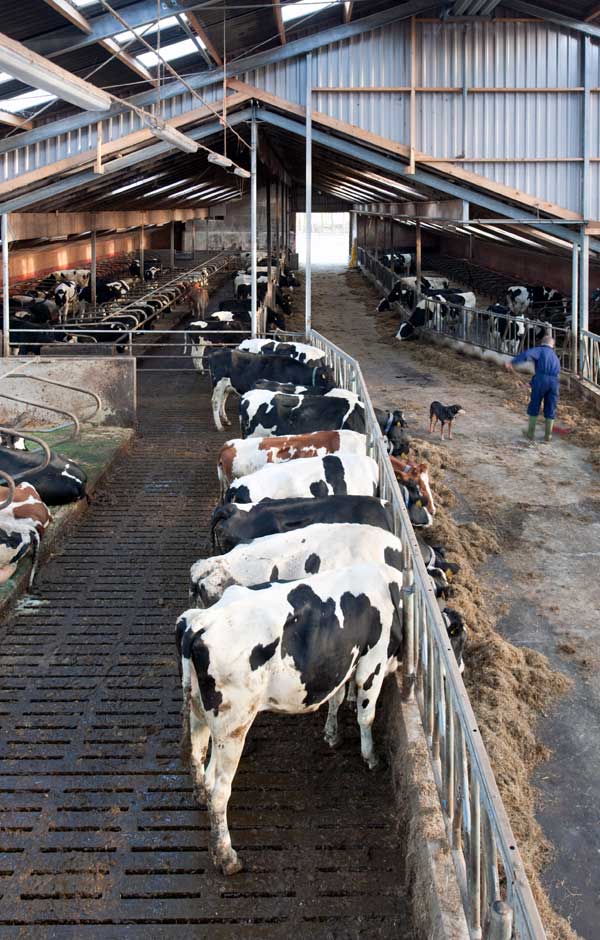
Accounting services for primary producers and farmers

Accounting for Primary Producers and Farmers

Managing a farm is a time consuming task. Overseeing staff and ensuring your day to day operations are running smoothly can take up enough time as it is; the last thing you may want to deal with is financial paper work and tax.

A professional accountant can help you efficiently manage your accounting, bookkeeping and taxation requirements, while also providing you with advice and strategies to help effectively grow your business. This can give you more time to focus on what’s important to you, such as handling tasks on your farm and enjoying life outside of work.

For over 60 years we have been providing accounting services for primary producers and farmers throughout Victoria. We understand what farmers require to effectively manage the finances of their farming operations and endeavour to provide all of our farming clients with effective advice and services to do such.

Take the Stress out of Tax with Help from a Professional Accountant

Time is money—two things that accountants can save for you. A professional accountant has the expertise and industry experience to help you efficiently, effectively and quickly manage your accounts, all while helping you save money and reduce tax.

Here at Guests Accounting, we can help you with:

  • Identifying opportunities to legally reduce tax payable
  • Preparation of income tax returns
  • Equipment finance
  • Assistance with employment compliance, such as WorkCover and superannuation
  • Cash flow projections
  • Tax planning strategies
  • Liaising with farm consultants
  • Advice on record keeping software, spreadsheets and tools for recording income and expenses of your business
  • Advice in relation to the sale and purchase of equipment or properties
  • Advice in relation to business expansion and growth
  • Assistance with drought and flood claims
  • Assistance with government incentive programs
  • Advice for business start ups
  • Succession planning.

Looking for help with your accounting and taxation requirements?

Whether a small or medium sized business farm, our team at Guests Accounting have the expertise to help you with all of your tax, accounting, GST and business advice needs.

Contact us today for comprehensive services at affordable prices, and advice you can trust.

Ask Us a Question

Accounting services for retail businesses and managers

Accounting for Retail Businesses and Managers

Managing a retail business can be a time consuming and complex task. You have to make sure that your staff can perform well, are receiving appropriate payment in regards to their wage and superannuation, plus then there’s the range of OH&S and compliance issues that must be followed.

Guests Accounting understands the financial implications that retailers have to deal with. We offer you professional experience, technical knowledge and support with your taxes and accounting.

Professional Accounting Services

Our services for retailers include:

  • Start-up business financial advice
  • Payroll and bookkeeping services
  • Income tax returns
  • Tax planning strategies
  • Accounting software advice and selection
  • Tools and spreadsheets to assist in detailing and reporting income and expenses
  • Advice about the sale and purchase of your business
  • Advice about claiming motor vehicle and transport costs
  • The preparation and analysis of certain financial documents and statements.

Ongoing Support

Over time, you may want to change the direction your business is heading and this could lead to financial issues. Financial advice and services from professionals could help you and your business keep on track with your goals and evolve positively. Guests Accounting can provide professional accounting advice and services as your business progresses and changes.

If you setting up a new retail business or looking to take your current business to the next level, please contact us today.

Ask Us a Question

Accounting services for tech companies

Accounting for Tech Companies

The technology industry faces very rapid change.  The extent and variety of this change in the last twenty years alone has been hugely diverse and at a pace that sees companies come and go in very short periods of time.

This risk and instability has also been accompanied by amazing opportunities and finding the best way forward is always complex and difficult.  However, even amongst so much disruption the basic principles of good business are still the guiding light.

Guests Accounting’s expertise, industry knowledge, stability and experience is helping our clients navigate the best way through these opportunities and threats.  Clients include information technology, big data, telecommunications, computer networking, software development and hardware development businesses.

Added into the mix is an ever increasing regulatory framework that has to be understood and managed.  Our experience in this area is extensive and allows our technology clients to stay ahead.

Ask Us a Question

Accounting services for trades and service industries

Accounting for Trades and Service Industries

When operating in your trade or business, you want to be able to focus on your client’s needs and help them, rather than becoming bogged down with tax, accounting and finances of your own. The friendly team at Guests Accounting provide professional accounting services for trades people.

Apart from your typical builder, plumber, carpenter and electrician we also service clients in a range of other trades including:

  • Air Conditioning Mechanics
  • Arborists
  • Bathroom Renovators
  • Blinds – Repair & Installation
  • Bricklayers
  • Builders
  • Carpenters
  • Carpet Cleaners
  • Carpet Repairers
  • Ceiling Repairers
  • Commercial Cleaners
  • Concreters
  • Domestic Cleaners
  • Electricians
  • Electrical Appliance Repairs
  • Fencing & Gates
  • Floating Floors
  • Floor Sanding
  • Furniture Assembly
  • Fencing Contractors
  • Guttering
  • Garden Maintenance
  • Gas Fitters
  • Glazers
  • Handymen
  • Home Security
  • Insulation
  • Interior Decorators
  • Joinery
  • Kitchen Renovators
  • Landscape Gardeners
  • Lawn Care
  • Painters
  • Paving Contractors
  • Pergolas
  • Plasterers
  • Plumbers
  • Rendering
  • Retaining Walls
  • Reticulation
  • Roller Doors
  • Roof Tilers
  • Roofing Repairers
  • Rubbish Removalists
  • Security Doors, Gates & Grills
  • Swimming Pools & Spas
  • Telecommunications
  • Tiling
  • Timber Floors
  • Tree Loppers
  • Vinyl & Carpet Layers
  • Window Cleaners
  • Wrought Iron Gates & Balustrades
  • Welders

Tailored Support

Guests Accounting are here to help you with your accounting; whether you’re looking to grow a business of your own or just sort out your own finances and taxation.

Many self employed tradesmen use accounting and finance software that is beyond their business needs, potentially leading to confusion along with wasting time and money. We can provide advice with what software or methods would be appropriate for your needs, along with what would be easy to use for you, giving you more time to focus on your work.

If you’re looking for a professional accountant who is dedicated to helping your trades business, please contact us today.

Ask Us a Question

Accounting services for transport and logistics professionals

Accounting for Transport and Logistics Professionals

Managing a transport & logistics business can be a time consuming and complex task. You have to make sure that your staff can perform well, are receiving appropriate payment in regards to their wage and superannuation, plus then there’s the range of OH&S and compliance issues that must be followed.

Guests Accounting understands the financial implications that transport and logistic industries have to deal with. We offer you professional experience, technical knowledge and support with your taxes and accounting.

Professional Accounting Services

Our services for Transport and Logistics Professionals include:

  • Start-up business financial advice
  • Payroll and bookkeeping services
  • Income tax returns
  • Tax planning strategies
  • Accounting software advice and selection
  • Tools and spreadsheets to assist in detailing and reporting income and expenses
  • Advice about the sale and purchase of your business
  • Advice about claiming motor vehicle and transport costs
  • Advice and assistance with claiming Fuel Tax Credits
  • The preparation and analysis of financial documents and statements.

Ongoing Support

Over time, you may want to change the direction your business is heading and this could lead to financial issues. Financial advice and services from professionals could help you and your business keep on track with your goals and evolve positively. Guests Accounting can provide professional accounting advice and services as your business progresses, grows and changes.

If you setting up a new Transport and Logistics business or looking to take your current business to the next level, please contact us today.

Ask Us a Question

Avi Paluch

Avi Paluch

Partner

ap@guests.com.au

(03) 9509 7033 / 0418 542 606

Avi Paluch became a partner in 1975. His client base comprises of professionals in a diverse range of industries, sole traders, national, multi-national and international groups in relation to taxation and management issues.

His clients also include large family groups and high net worth individuals. In addition, he is involved in a range of audits. Avi currently involves himself in various community boards in the capacity of honorary treasurer.

His other interests are being with his family and attending sports events.

Andrew Goldberger

Andrew Goldberger

Partner

bg@guests.com.au

(03) 9509 7033 / 0419 155 373

Andrew Goldberger joined Guests in 1987. Prior to that he occupied a senior position with the Australia Taxation Office. As well as looking after a diverse range of groups of SMEs and high wealth individuals, Andrew is an expert in taxation. He has been involved in a number of Large Income Tax and State Revenue Audits and provides advice on various technical tax issues and areas of tax planning. Andrew also consults to other practitioners in these areas.

Andrew has also written articles for various taxation publications including CCH and participated in taxation focus groups. He is regularly called on to address various public practitioner groups on taxation matters and has conducted training sessions for CPA Australia.

Moshe Trebish

Moshe Trebish

Partner

mt@guests.com.au

(03) 9509 7033 / 0417 081 305

Moshe joined Guests Accounting in 1985 and has more than 40 years of extensive experience. He has an indepth understanding of business and is responsible for a diverse group of clients and is in charge of the Superannuation Team and the Audit of superannuation funds.

Moshe’s knowledge in many different areas including business structuring, accounting, taxation, auditing, SMSFs and business planning in various industries enables him to provide advice on ‘the big picture’, taking into account both present and future needs of clients.

Moshe has been involved in various not-for-profit organisations during his career in an honorary capacity. This has given him a good grounding in the corporate governance area. Moshe continues his interest in the new regulatory environment of the not-for-profit sector.

  • Diploma of Commerce (RMIT)
  • Member of CPA Australia
  • Public Practice Certificate (CPA)
  • Registered Tax Agent
  • Registered SMSF Auditor
  • Registered Company Auditor
  • Limited AFSL Licencee
  • Chartered Tax Advisor (TIA)
Mory Kalkopf

Mory Kalkopf

Partner

mk@guests.com.au

(03) 9509 7033 / 0405 642 458

Mory graduated from Monash University in 1979 and joined our team with more than 20 years experience. He is a member of both the Institute of Chartered Accountants and the CPA and a Fellow of the Association of Taxation and Management Accountants.

After more than 18 years experience with a Chartered firm, Mory travelled to the United Kingdom and gained invaluable experience working with various Accounting and Legal firms in London, developing operating systems and in investigative accounting roles.

Mory joined Guests in March 2002 and became a partner in July 2005, specialising in Taxation and Business Services. Mory has also served on the executive of community boards and not-for-profit organisations.

Gary Bryfman

Gary Bryfman

Partner

gb@guests.com.au

(03) 9509 7033 / 0411 077 998

Gary Bryfman is a FCPA, having a Masters Degree in Taxation. His earlier accounting background was in industry, specialising in costing and budget preparations.

He has been a partner of Guests for 31 years. Gary has been involved in a number of Jewish organisations, including JCCV as honorary treasurer; CSG, JEMP and advisor to MDA executive.

Borch Baker

Boruch Baker

Partner

bb@guests.com.au

(03) 9509 7033

Boruch brings a wealth of experience and dedication to our team, having demonstrated exceptional leadership and expertise in accounting and taxation matters over the years. His commitment to providing outstanding client service that is solution- and results-focused has been attributed to our clients’ success.

Boruch’s leadership extends beyond his technical skills, he is also known for his ability to mentor and inspire his colleagues, fostering a collaborative environment within the practice. 

Outside of work, Boruch enjoys spending quality time with his young family. His passion for outdoor adventures and family life reflects his balanced approach to both personal and professional endeavours.

Sebastian Lan

Sebastien Lan

Partner

Sebastien has been an integral part of Guests Accounting since 2013, with extensive experience in accounting and taxation and a strong commitment to providing practical, considered advice to his clients.

Highly regarded by both clients and colleagues, Sebastien is known for his approachable nature, technical expertise and ability to build strong and lasting relationships. He takes pride in understanding his clients’ individual needs and helping them navigate their accounting and taxation matters with confidence.

Outside of work, Sebastien enjoys travelling, spending time with friends and family, and the occasional competitive game of pickleball

Accounting Videos

Secure File Transfer is a facility that allows the safe and secure exchange of confidential files or documents between you and us.

Email is very convenient in our business world, there is no doubting that. However email messages and attachments can be intercepted by third parties, putting your privacy and identity at risk if used to send confidential files or documents. Secure File Transfer eliminates this risk.

Welcome to Xero – you’ll love using beautiful accounting software that puts your financials at your fingertips. Here you’ll learn about the features you’ll use regularly in Xero, and see how they make managing small business finances easier than ever.

Please enjoy the links to these free tools supplied by MoneySmart - a great resource for general financial information. Please get in touch if you would like to discuss any questions that you may have as a result of using these calculators.


Guests Accounting welcome your enquiry. To book an appointment or simply ask us a question, fill in your details and we'll be in touch soon!

Email, Phone & Fax

Melbourne Office

  • 234 Balaclava Road, Caulfield North VIC 3161
  • 9:00AM to 5:00PM (Mon-Thurs), 8:30AM to 4:30PM (Fri)

Postal Address

  • PO Box 2197, Caulfield Junction VIC 3161, DX 37066 Caulfield

Ask Us a Question